
I'm A Cardiologist. I Spent 60 Days Testing Vasclear Pine Bark Against Arterial Plaque. Here's What Happened.

I read the research. I tested it on myself. I tracked my own patients. Here's my honest verdict.
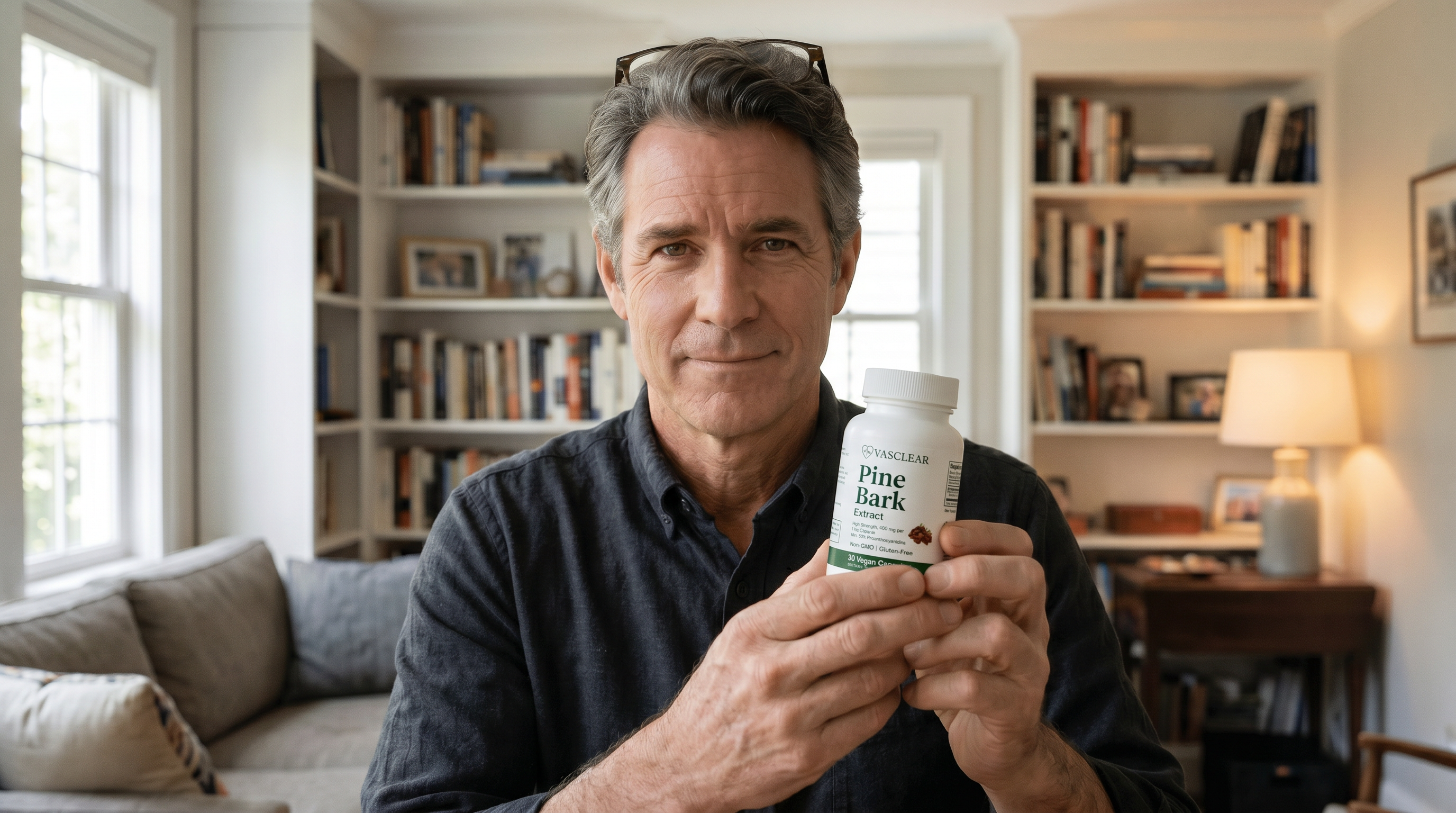
The product I tested for 60 days on my own arteries.
My father took Lipitor for nine years. His cholesterol stayed in the safe zone the entire time.
Then on a Wednesday morning in March, he had his first heart attack at 62. He survived. Six years later the second one put him in the hospital.
I held his hand the last hour. The monitor showed all the right numbers. His cholesterol panel was the cleanest it had been in years. None of it had stopped what was happening inside his arteries.
I started my own Lipitor a week after his funeral. I was 53.
Three years later, last March, I went in for my annual scan expecting the usual.
I pulled up my scan. Stared at it. Pulled up last year's for comparison.
My score had gone from 211 to 287 in twelve months.
That put me on my father's path. Standard progression would have me at 360-380 within a year. That's when the conversation turns to stents. Then bypass surgery. Then whatever comes after that.
For the first time in 22 years of cardiology I wasn't reading someone else's scan. I was reading my own.
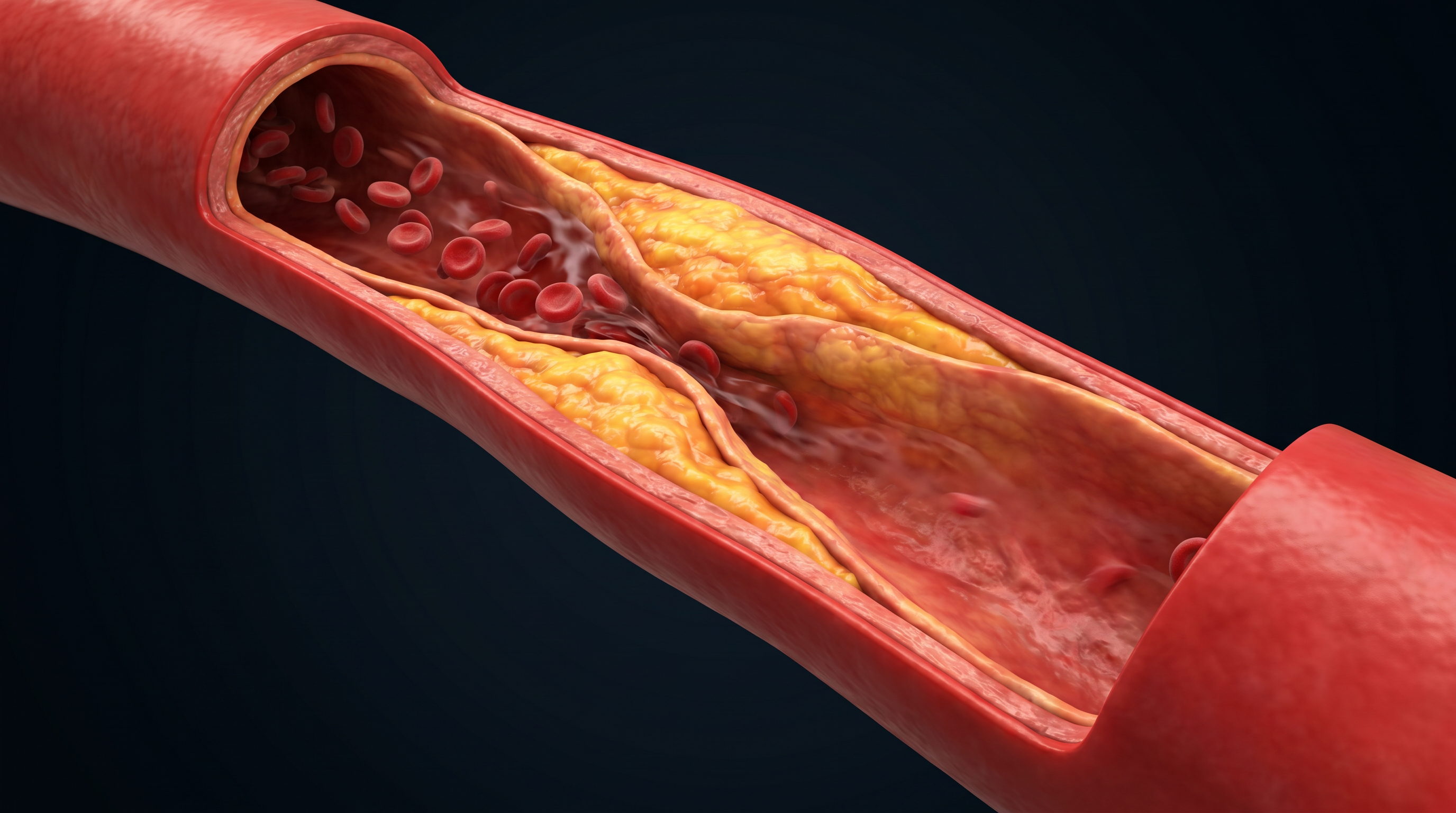
The scan that didn't make sense
Two weeks later, my patient Susan came in for her annual scan.
I pulled her results. Then her scan from ten months earlier to make sure I wasn't reading them in the wrong order.
Her calcium score had gone from 294 to 246.
It hadn't just stopped climbing. It had actually gone down.
That's what 22 years of cardiology had taught me. Susan's scan was contradicting it.
"What did you change?" I asked her.
She pulled a small bottle from her bag. "French pine bark capsules. My neighbor recommended them. One a day with breakfast."
She'd been on Lipitor for years. She hadn't mentioned the pine bark before because she assumed I'd dismiss it. She was probably right.
That night I pulled the rest of my plaque patients' charts. Three more were on the same extract. All their scans were moving the same direction.
That night I went through the pine bark extract cardiovascular literature. 160-plus human trials, some going back to the 1970s. The 2012 European Heart Journal paper on endothelial function was the one I kept coming back to. I read it twice.
I'd never seen plaque reverse in 22 years. But I had my own scan with a 36% jump on it, and four patients moving the opposite direction.
I did what any doctor with a climbing score would do. I investigated. Then I tested it on myself.
How I investigated
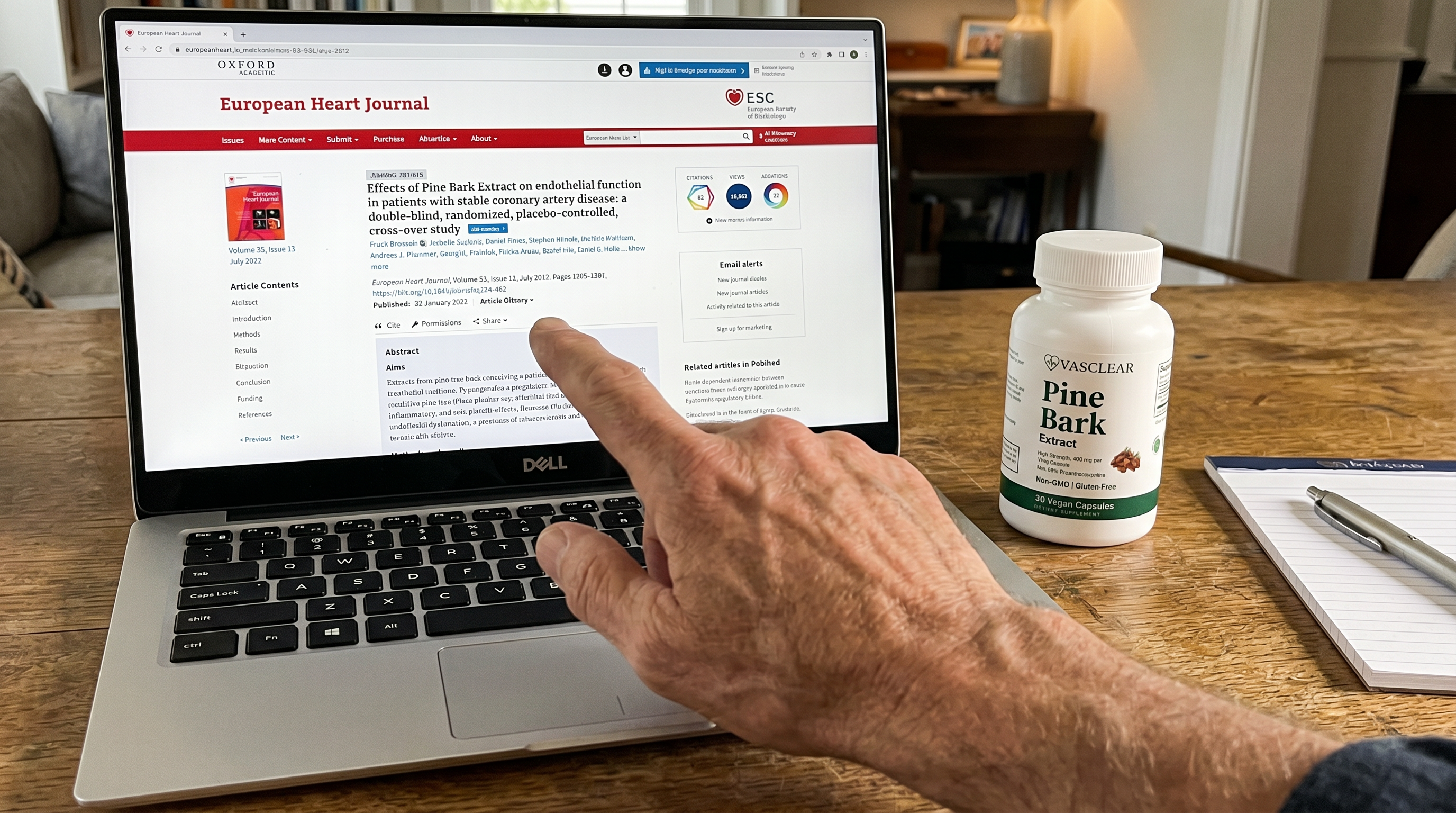
I pulled the peer-reviewed research. I talked to 41 adults whose statins weren't slowing their scores anymore. I tracked 17 of my own patients for 12 weeks. I took the supplement myself. Four lines of evidence pointing the same direction.
What I learned from the research changed how I look at plaque.
What the science actually shows
The standard plaque playbook has one move: lower your cholesterol with a statin and hope the plaque slows down. That's why my father's panel could look perfect and his arteries could still kill him.
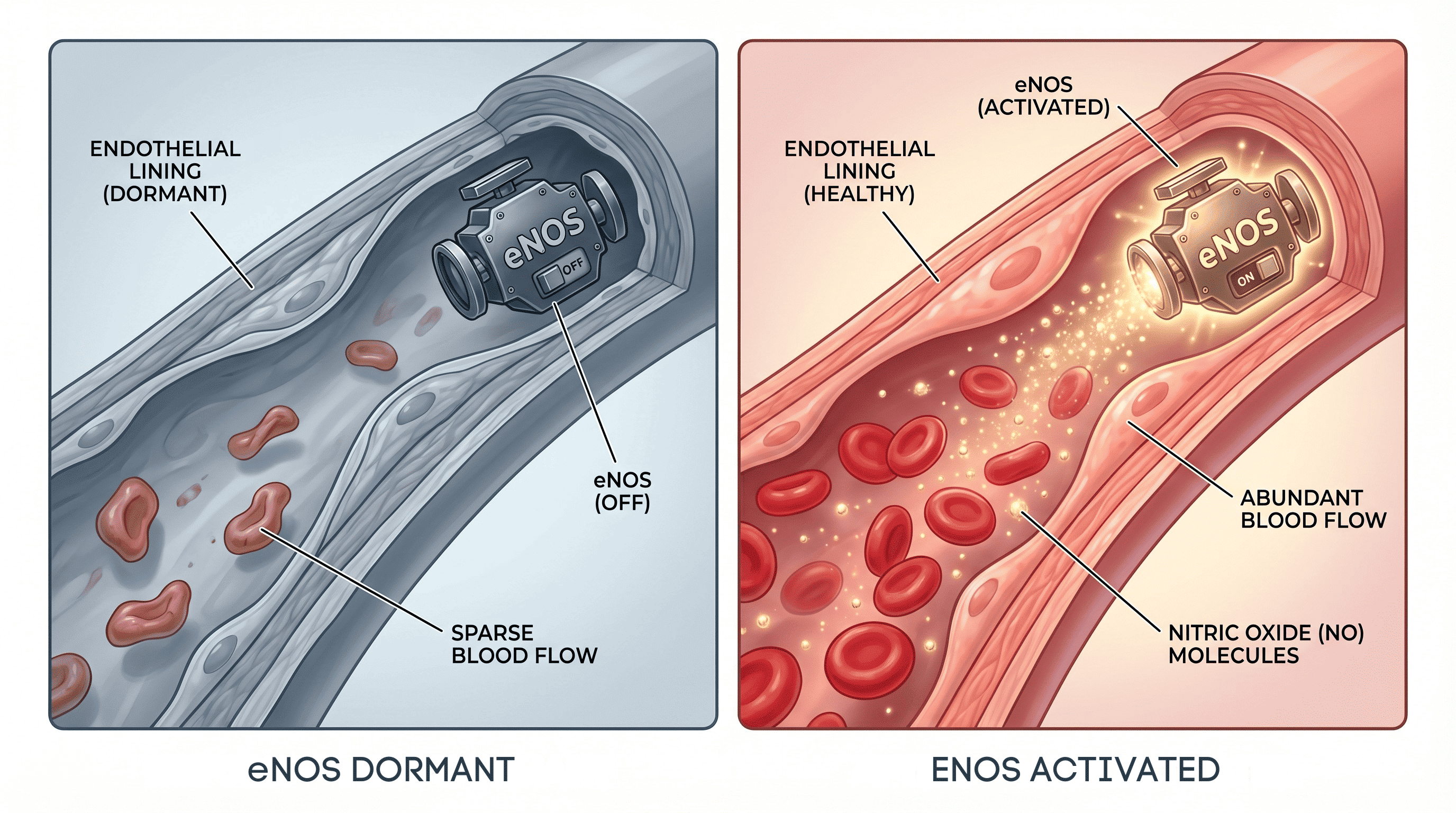
Plaque doesn't start with cholesterol. It starts in the lining of your vessels. The lining makes nitric oxide that keeps vessels flexible. An enzyme called eNOS produces it. As you age, eNOS slows down. Less nitric oxide. Stiffer vessels. More plaque.
Statins don't touch any of this. They only lower cholesterol in your blood.
That's why your score keeps climbing despite the drug "working." The statin isn't broken. It just isn't doing the job your vessel walls need.
The only way to slow the buildup is to support the vessel walls themselves. That means restoring eNOS function. That's where pine bark comes in.
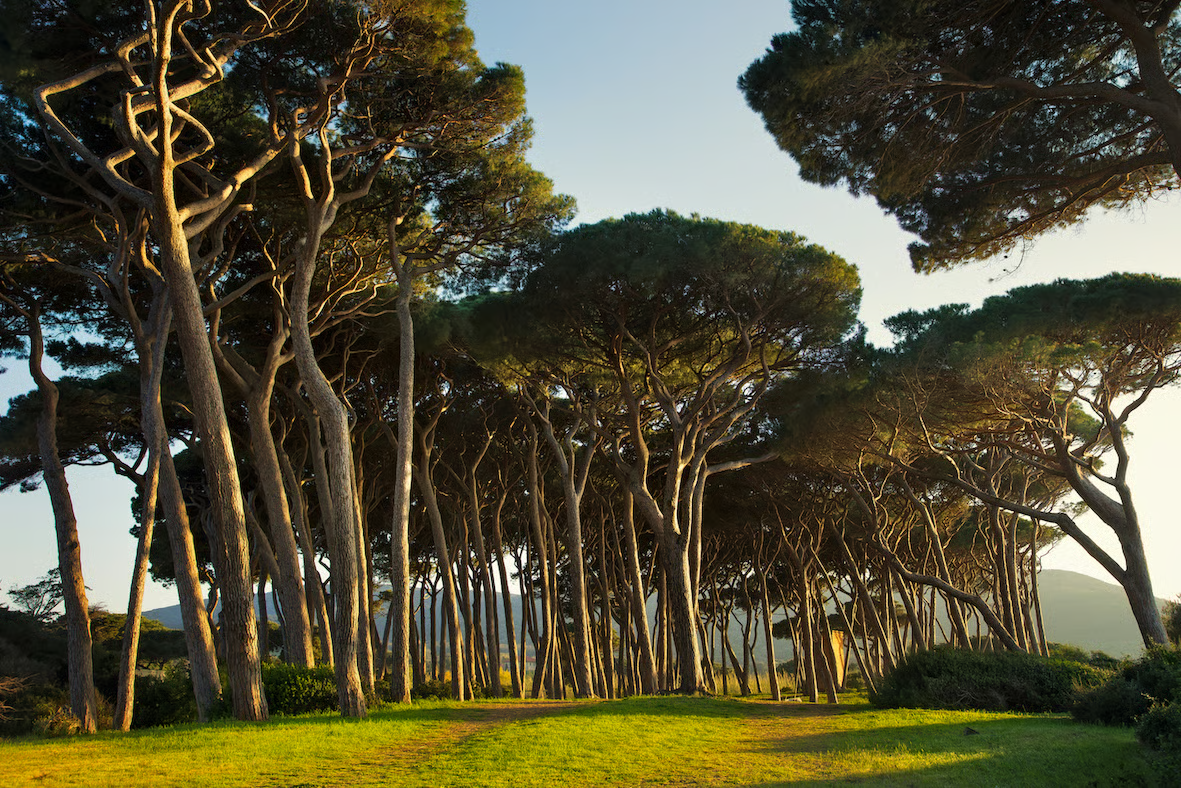
French maritime pine bark is one of the few natural compounds in the research that supports eNOS directly.
The clinical data is consistent: better vessel function over 8 weeks (European Heart Journal, 2012), slower coronary calcium buildup over 12 months (Minerva Cardioangiologica, 2020), LDL drops of 12 to 21% across multiple trials, and a strong safety record across 40+ years of human research.
Why doctors aren't telling you about this
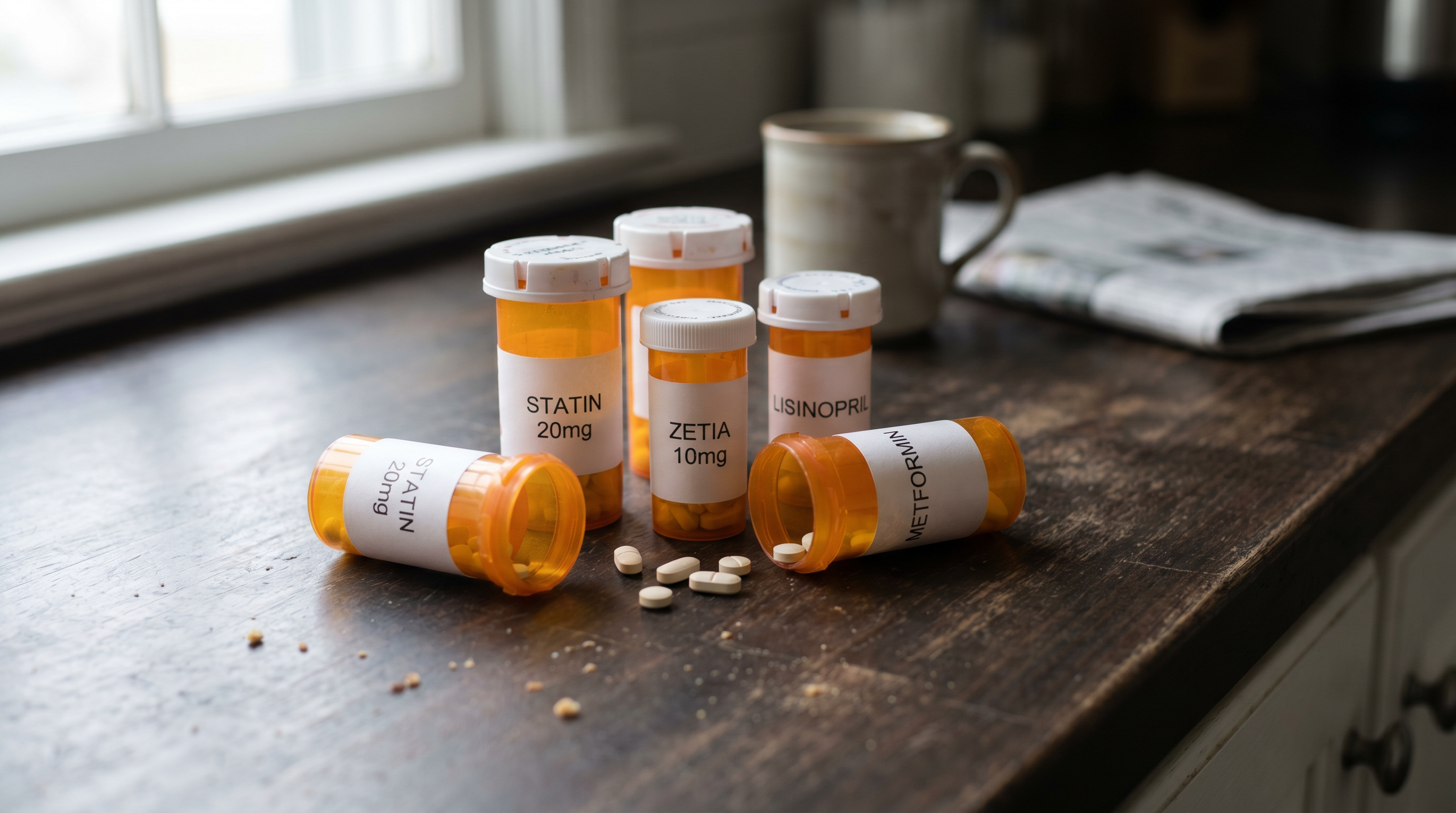
Pine bark isn't a prescription drug, so nobody makes money selling it. I asked 16 of my own colleagues. Only two had even heard of it for plaque. Meanwhile the statin world is a $20 billion industry. That's why your doctor doesn't bring this up.
The real problems with long-term statin use
I prescribe statins, including to myself. But after watching my father, and watching my own score jump 36% on the same drug, I owe my patients an honest accounting of the limits.
The score keeps climbing. Statins lower cholesterol. They don't repair the vessel walls. So we raise the dose, then add Zetia, then PCSK9. The numbers improve on paper. The plaque keeps building.
The side effects add up. Higher doses bring muscle pain, fatigue, brain fog, liver concerns. Patients quietly stop. Cholesterol creeps back up.
The window is closing. Every year your eNOS function drops further. The buildup gets harder to slow. The conversation eventually turns to angioplasty, stents, and bypass.
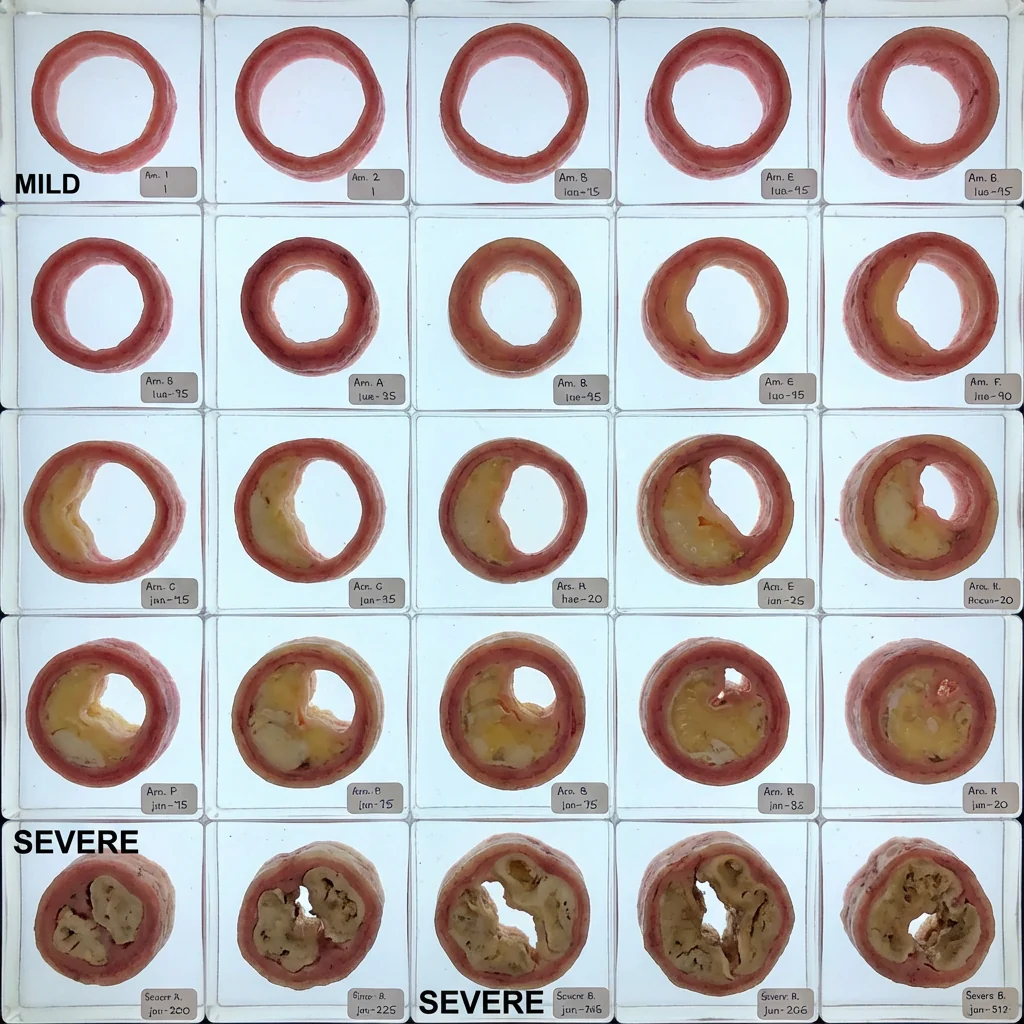
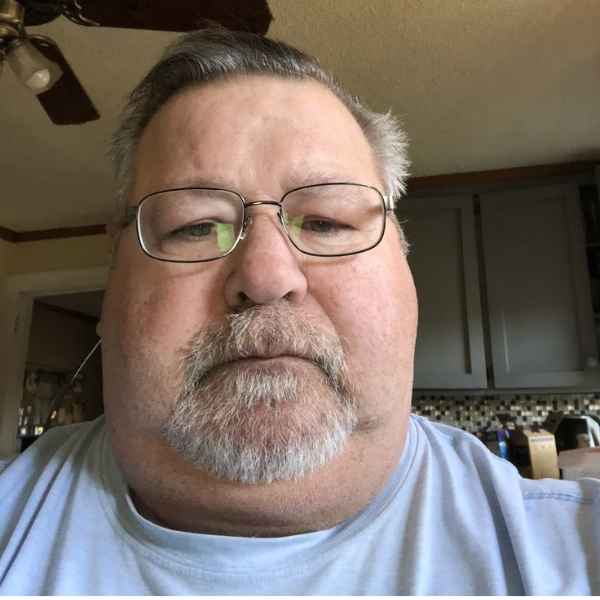
That's Don, 64, a long-term patient. His situation is the rule for plaque patients, not the exception.
My verdict after 60 days
French pine bark works. For adults whose plaque keeps building despite the standard treatment, it does something the statin cannot.
If your only goal is keeping the cholesterol number down, the statin's doing its job. But if your goal is slowing the actual buildup on your vessel walls, pine bark is in a different league.
I started Vasclear the same week I finished the research. One capsule with breakfast.
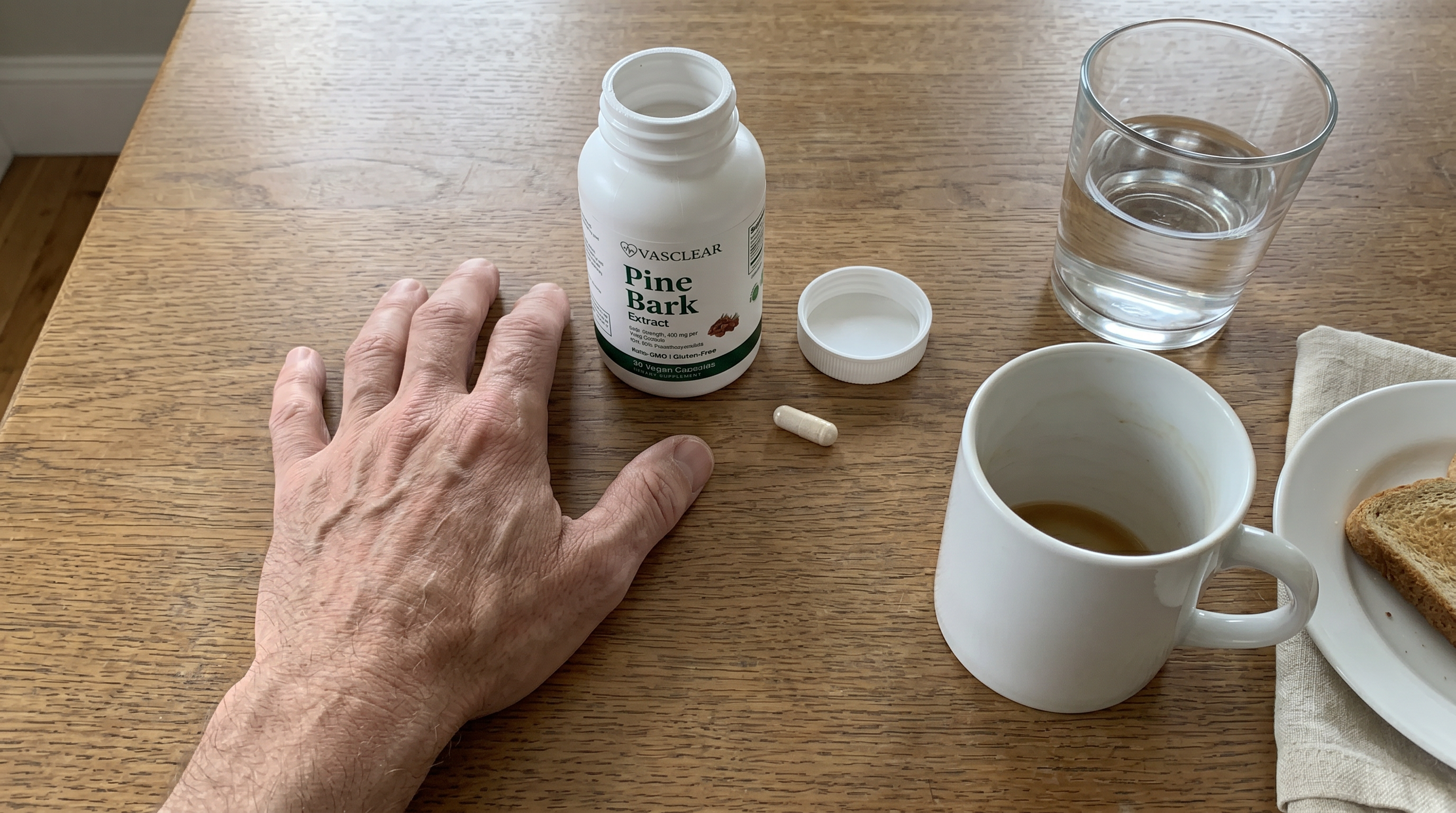
March 14. Calcium score 287. Started Vasclear that morning.
March 15. Hands warm by lunch. Two years since I'd felt that. Wrote it down.
April 2. Blood pressure dropped from 138/86 to 124/79.
April 14. My wife mentioned I'd stopped waking up at 3am.
April 28. LDL came back at the lowest level I'd seen in five years.
May 14. Vessel function tests showed real movement in the right direction. 60 days in, I had my verdict.
Six months in, I scheduled my next CT scan early. I needed to see what my arteries actually looked like.
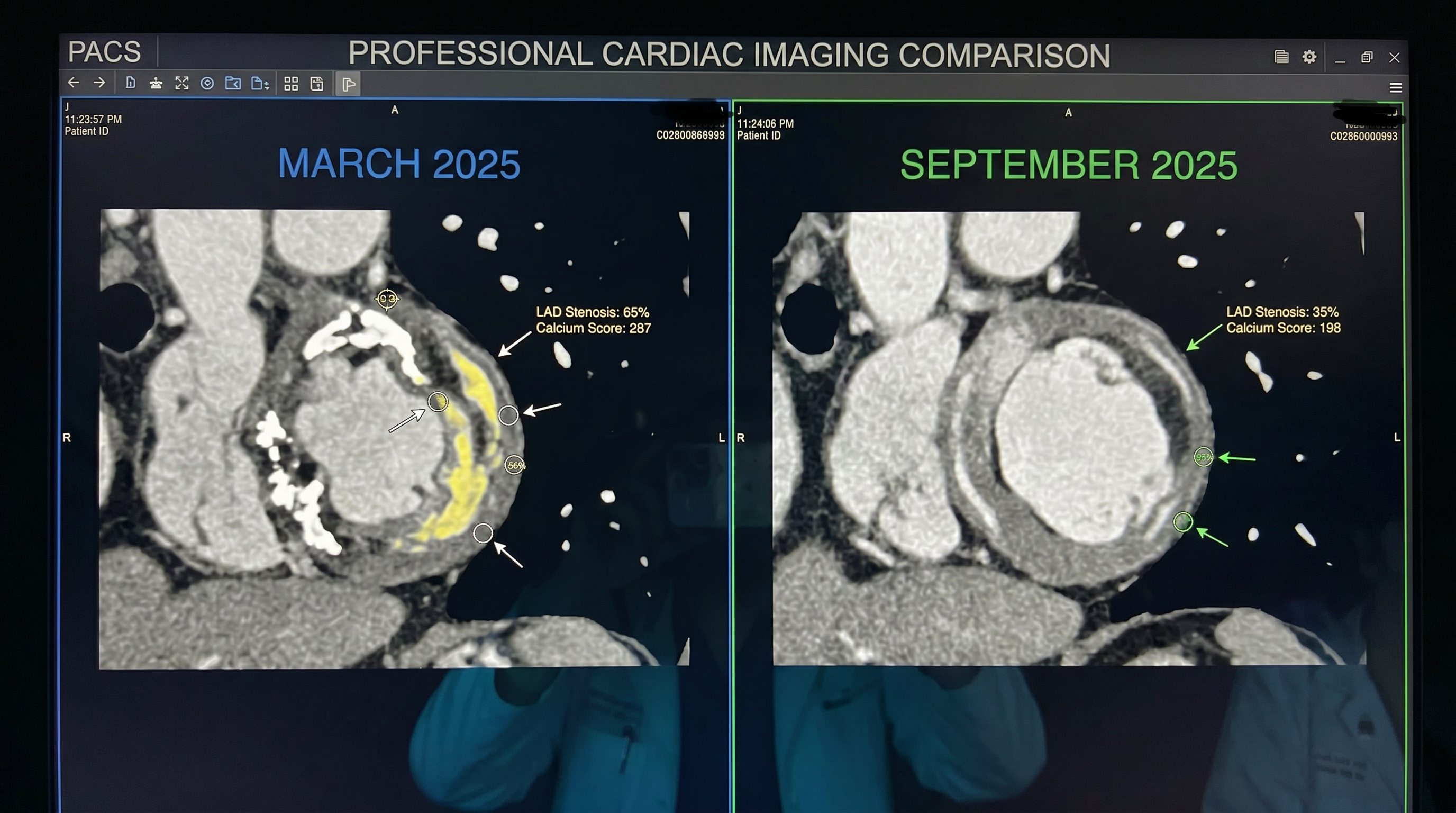
I brought the scans to a colleague at the cath lab the next morning. She pulled them up on her monitor. Looked at the dates twice. Asked if the lab had labeled them in the right order. They had. She was quiet for a while. Then: "Marcus. That's not how plaque moves." I told her what I'd been taking. She wrote it down.
The trajectory I was on, the one that led straight to my father's path, isn't the trajectory anymore. That alone is worth more than I can put into an article.
Who this is for

What worked on me, on Susan, on Don, and on the rest of my plaque patients won't be the right call for everyone. The patients I see it work best on:
- Over 50 with a calcium score that keeps climbing
- On a statin that's controlling cholesterol but not slowing the buildup
- Statin-intolerant due to muscle pain, fatigue, or brain fog
- Worried about a stent or bypass conversation in your future
- Tired of stacking supplements that haven't moved your numbers
- Family history of heart attack, stroke, or cardiovascular disease
This isn't a replacement for your statin or your cardiologist. Keep both. Get the proper tests done. Make sure nothing serious is going on.
But if your scan keeps showing more buildup despite everything you're already doing, you haven't been given a fix. You've been given a delay.
My recommendation
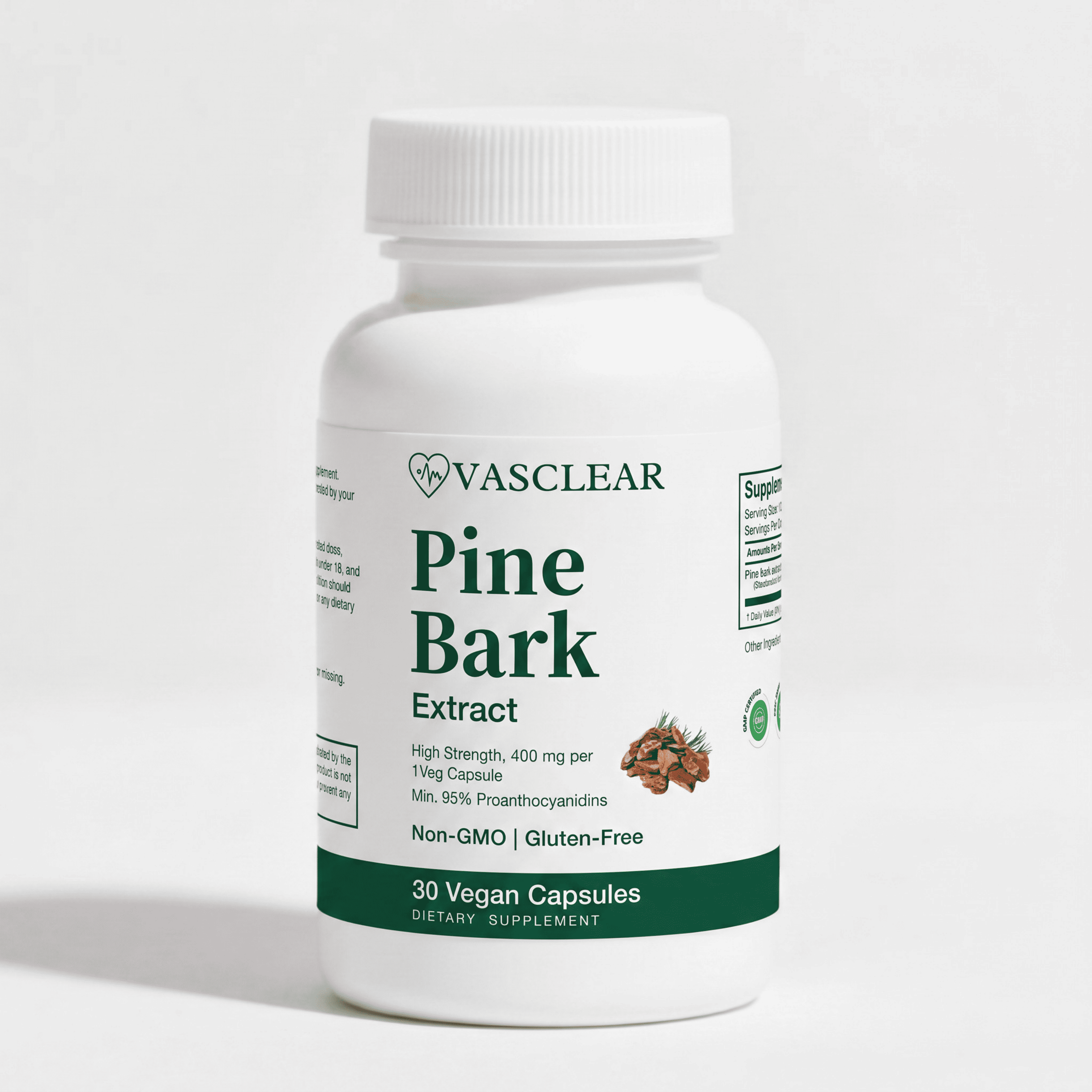
I take Vasclear. It's the only pine bark I tested that uses the same dose as the trials. Most stuff on the shelf isn't even close.
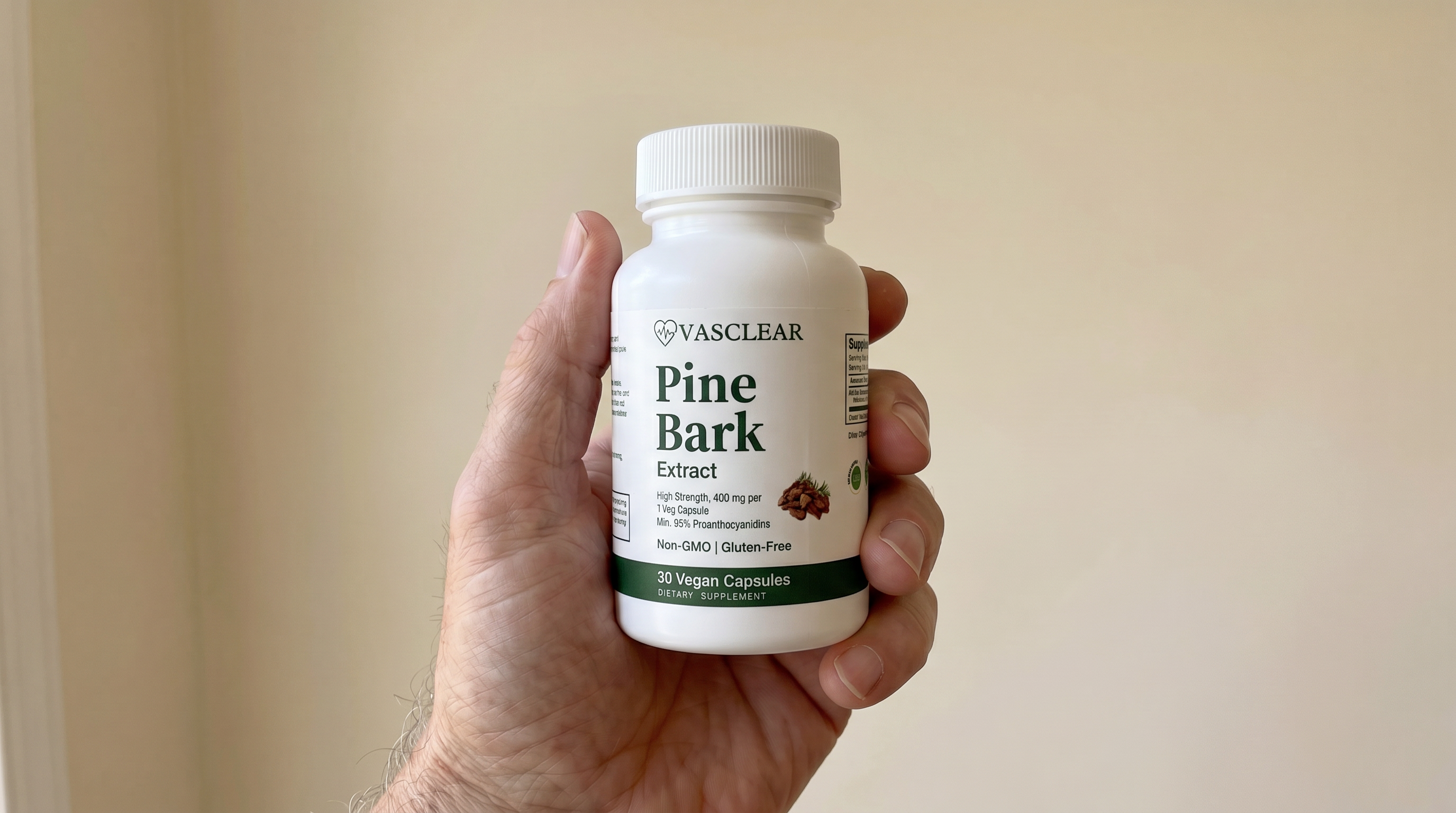
The company gives you 60 days to try it. If nothing changes, you send the bottle back and get your money back. So really there's nothing to lose.
On the other side of two months you might be the one who isn't bracing for every scan. Who's at the grandkids' weddings. Who isn't the next one in the family scheduled for stents.
That's why I'd tell anyone in your situation to give it a shot.
I take the bulk pack now. Works out to about $0.78 a day, which is less than my morning coffee. Not really why I take it though. Plaque doesn't take time off, so I don't either.
 Apply My Discount
What other adults are saying
I'm not the only one this is working for. After I started recommending Vasclear in my own practice, the same pattern showed up in dozens of patients.
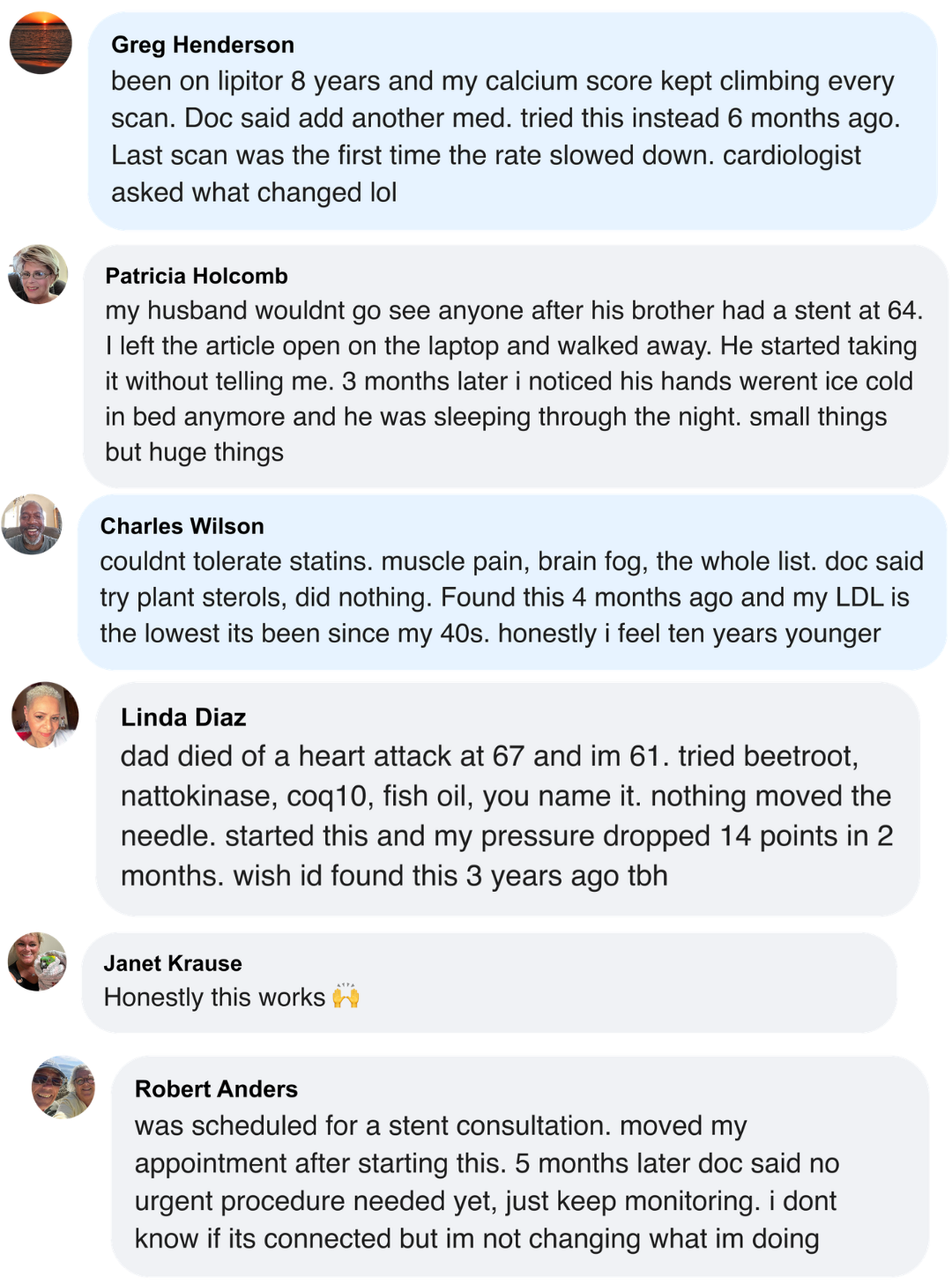
"My calcium score had been climbing for 3 years on a statin. Started Vasclear 6 months ago. Last scan finally showed it slowing down. My cardiologist asked what I was doing differently. I told him. He was actually impressed. First scan in three years where I drove home not running calculations on my phone. I called my wife from the parking lot."

"Couldn't tolerate statins. Muscle pain, fatigue, brain fog. My doctor said try plant sterols. Tried. Did nothing. Found this. Three months later my LDL is the lowest it's been in a decade and I have my energy back. Wish I'd found this sooner."
"My father died of a heart attack at 64. I'm 59. Tried everything. Beetroot, nattokinase, CoQ10, niacin. Nothing moved. Started this 4 months ago and my blood pressure dropped 12 points and my hands stopped being ice cold all the time. My wife noticed before I did."
Why you can't just buy pine bark on Amazon
The next question I always get: "Can't I just buy a cheap pine bark on Amazon?"
Technically yes. Practically you'd be wasting money. I'd actually tried Amazon pine bark myself before Susan came in. Bought a $19 bottle, took it for ten weeks, my BP didn't budge. So when she pulled her bottle out of her bag, my first thought was "I already tried that." I was wrong. I'd been taking the wrong version. Most pine bark on the shelf is too weak or buried in a 12-ingredient blend...
25-75mg per capsule. Not standardized. No third-party testing.
50mg or less of pine bark. Buried with arginine, maca, and other fillers. None of the ingredients hit a real clinical dose.
400mg of standardized French maritime pine bark per capsule. Single ingredient. Third-party tested. Not sold in stores or on Amazon. Only on the official site.
Same dose, same standardization the trials used. Anything less and you can't expect the trial results.
Most patients on a statin don't realize a climbing calcium score is the warning. They think the medication is doing its job because the cholesterol numbers look fine. That's exactly what my father thought.
By the time the conversation is about a stent, the window is much smaller than it was three years before. The longer you wait, the harder this gets.
I keep a bottle in my office now. When a plaque patient asks me what I'd take if I were in their situation, I show them the one I take every morning. So that's my answer.
— Dr. Marcus Reed, MD
The information on this page is for educational purposes only and is not intended as medical advice. These statements have not been evaluated by the Food and Drug Administration. This product is not intended to diagnose, treat, cure, or prevent any disease. Individual results may vary. Always consult your physician before starting any supplement, especially if you have cardiovascular conditions, diabetes, or take prescription medications.
Pycnogenol® is a registered trademark of Horphag Research.
Testimonials reflect individual experiences and are not necessarily typical. Results may vary based on individual circumstances, including age, health status, and adherence to use.